
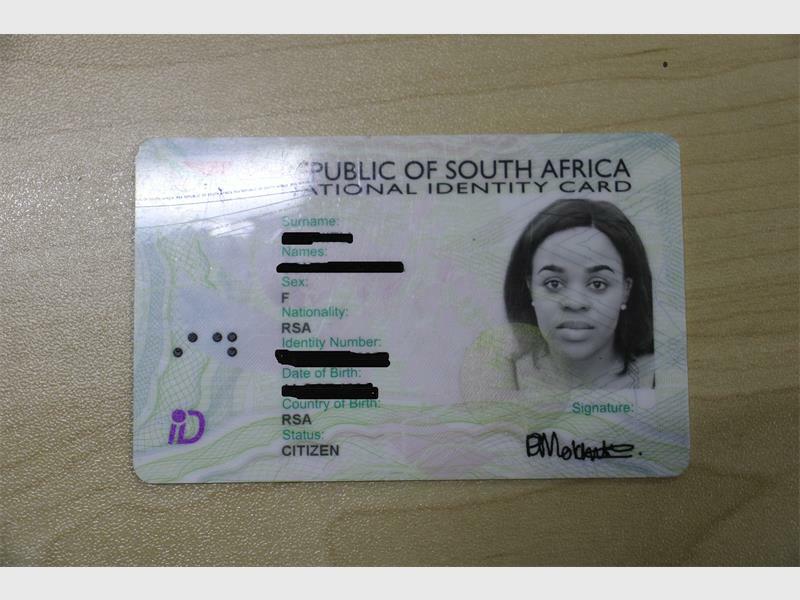
Identity theft is becoming a serious problem in South Africa, and many people only discover they are victims when they are already in financial trouble. One of the most common forms of fraud is when someone uses your ID number to open loans, credit accounts, or contracts without your knowledge.
The worrying part is that this can go unnoticed for months. By the time you find out, damage may already be done.
Understanding how to check for fraudulent activity early can help you protect your financial identity.
Why ID Fraud Is Increasing in South Africa
Fraudsters no longer need physical access to your documents. In many cases, they only need a few personal details.
Common ways ID information gets exposed include:
- Job application scams
- Fake online loan websites
- Social media recruitment scams
- SIM swap fraud
- Phishing emails and messages
- Unsecured document sharing
Once criminals have your ID number, they may attempt to open credit in your name.
Warning Signs Someone May Be Using Your ID
Unexpected Debt Collection Calls
One of the first signs is receiving calls or SMS messages about debts you do not recognise.
You may hear things like:
- “Your account is overdue”
- “Final notice before legal action”
- “Payment required immediately”
If you did not open the account, this is a red flag.
Sudden Drop in Credit Score
If your credit score decreases without explanation, it may indicate:
- New loans were opened
- Payments were missed on fraudulent accounts
- Multiple credit checks were done in your name
Unknown Loan or OTP Messages
You might receive:
- Loan approval SMS messages
- OTP codes you did not request
- Banking verification alerts
These should never be ignored.
Credit Applications You Never Made
Some people only discover fraud when applying for:
- Car finance
- Store accounts
- Cellphone contracts
- Personal loans
Lenders may inform you that you already have existing debt.
The Most Reliable Way to Check: Your Credit Report
Your credit report shows all financial activity linked to your ID number.
It includes:
- Loans
- Credit cards
- Store accounts
- Payment history
- Credit enquiries
- Defaults or judgments
Checking this report is the fastest way to detect fraud.
Where to Check Your Credit Report in South Africa
TransUnion
One of the major credit bureaus in South Africa, showing detailed credit activity and fraud alerts.
Experian
Provides credit reports, scores, and identity monitoring services.
ClearScore
A free platform that allows users to track credit scores and monitor changes.
Fresh listings:






Compuscan
Offers consumer credit reports and fraud-related credit monitoring services.
What to Look for on Your Credit Report
When reviewing your report, pay attention to:
Unknown Loans or Accounts
Any credit agreements you did not open.
Multiple Credit Enquiries
Too many checks may indicate fraudulent applications.
Unknown Addresses or Employers
Fraudsters often use fake personal details.
Judgments or Defaults
This may indicate unpaid fraudulent accounts.
What to Do If You Find Fraud
If you discover suspicious activity, act immediately.
Step 1: Contact the Credit Bureau
Inform them that:
- The account is fraudulent
- You did not open it
- You request a fraud investigation
Ask for:
- Fraud alert placement
- Profile flagging
- Investigation reference number
Step 2: Contact the Lender
Call the bank or credit provider and report:
- Identity theft
- Fraudulent account activity
Request:
- Account freezing
- Application documents used
- Investigation outcome
Step 3: Open a Police Case
Report the matter at your nearest police station.
Take:
- ID document
- Credit report
- Proof of fraud
Request a case number and affidavit.
Step 4: Report to Fraud Protection Services
You can also report identity theft to:
Southern African Fraud Prevention Service
They help place fraud alerts and monitor identity misuse.
Step 5: Secure Your Digital Accounts
Immediately:
- Change passwords
- Enable two-factor authentication
- Contact your bank if needed
- Check for SIM swap activity
How to Protect Yourself From Future Fraud
- Never share your ID copy unnecessarily
- Be cautious of fake job advertisements
- Avoid sending documents on unsecured platforms
- Check your credit report regularly
- Use strong passwords and security features
- Watch for SIM swap warning signs
Can Someone Really Get a Loan Using Your ID?
Yes, in some cases fraudsters can open accounts using:
- Your ID number
- Fake payslips
- Stolen personal details
- SIM swap access
- Forged documents
This is why monitoring your credit profile is essential.
What Happens If You Ignore Identity Fraud?
Ignoring the issue can lead to serious consequences such as:
- Blacklisting
- Court judgments
- Salary deductions (garnishee orders)
- Difficulty getting credit
- Rejected job or housing applications
The sooner you act, the easier it is to fix.
Conclusion
Checking whether someone has opened a loan using your ID is no longer optional in South Africa—it is a necessary part of protecting your financial identity. With credit bureaus and monitoring tools available, you can detect fraud early and take action before it causes long-term damage.
If anything looks suspicious, act immediately. Quick reporting can make the difference between a small issue and a serious financial problem.