
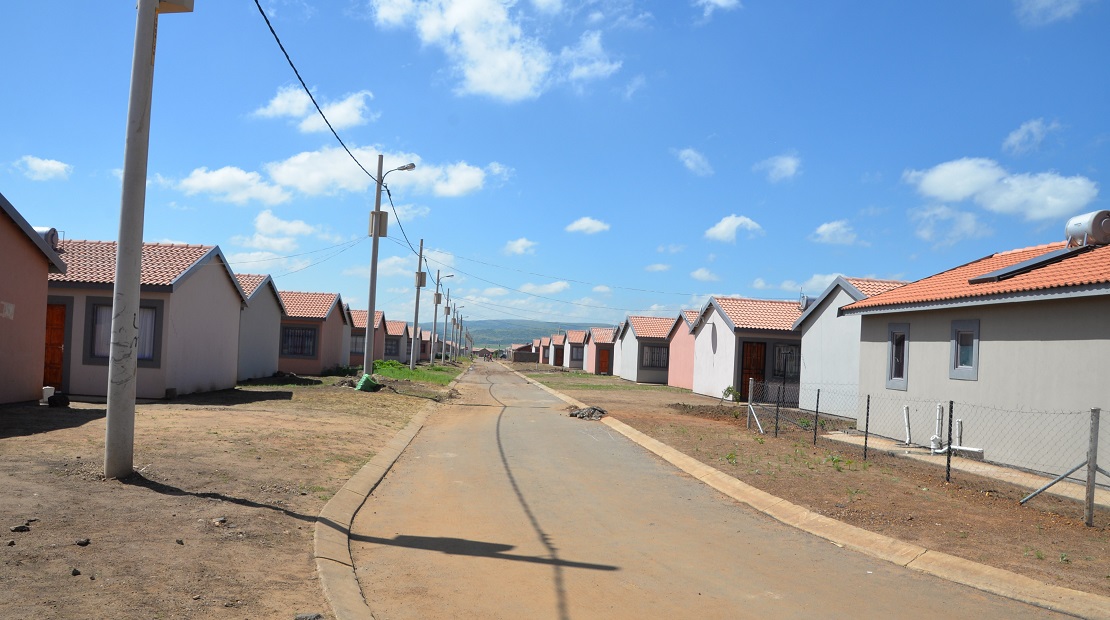
Learn how to apply for a government housing subsidy in South Africa in 2026. Find out who qualifies for First Home Finance, required documents, subsidy amounts, and step-by-step application tips.
How to Apply for Government Housing Subsidy in South Africa in 2026
Owning a home remains one of the biggest dreams for many South Africans. However, rising property prices, unemployment, and the high cost of living continue making homeownership difficult for thousands of families.
The good news is that the South African government offers housing subsidy programmes to help qualifying citizens buy or build homes. These programmes are designed to support low- and middle-income households that may struggle to afford property without financial assistance.
Many people still know these programmes as “RDP housing” or “FLISP.” However, the system has evolved, and one of the most important programmes today is called First Home Finance, previously known as FLISP (Finance Linked Individual Subsidy Programme).
This guide explains how government housing subsidies work in South Africa, who qualifies, what documents are required, and how to apply successfully in 2026.
What Is a Government Housing Subsidy?
A government housing subsidy is financial support provided by the Department of Human Settlements to help qualifying South Africans access affordable housing.
Different subsidy programmes are available depending on your income level and housing situation.
These include:
- Subsidised RDP housing
- First Home Finance (FLISP)
- Social housing support
- Housing assistance for military veterans
- Rural housing programmes
- Informal settlement upgrading support
The most searched programme today is First Home Finance because it helps working South Africans who earn too much to qualify for free RDP houses but still struggle to afford a home loan.
What Is First Home Finance?
First Home Finance is a government subsidy programme that helps first-time home buyers purchase residential property.
The subsidy may help cover:
- Housing deposits
- Transfer costs
- Bond registration fees
- Reducing the total home loan amount
- Building a home on owned land
The subsidy amount depends on household income. Lower-income households within the qualifying bracket usually receive larger subsidy amounts.
Who Qualifies for a Government Housing Subsidy?
To qualify for First Home Finance or similar housing subsidies, applicants usually must:
- Be South African citizens or permanent residents
- Be 18 years or older
- Be legally able to sign contracts
- Be married, cohabiting, or single with financial dependants
- Be first-time property owners
- Never have received a government housing subsidy before
- Earn within the qualifying income bracket
For First Home Finance, the qualifying household income is generally between R3 501 and R22 000 per month.
Traditional RDP housing programmes are mainly aimed at households earning below approximately R3 500 monthly.
Who Does Not Qualify?
You may not qualify if:
- You already own property
- You previously received a government housing subsidy
- Your income exceeds the qualifying threshold
- You are under 18 years old
- You cannot provide proof of income
- You do not meet the programme requirements
Always check the latest qualifying criteria before applying.
Documents Needed to Apply for a Housing Subsidy
Applicants are usually required to submit certified copies of the following documents:
- South African ID document or Smart ID card
- Birth certificates of children
- Marriage certificate if married
- Proof of income or payslips
- Bank statements
- Proof of residence
- Approved home loan or Approval in Principle (AIP)
- Signed Offer to Purchase (OTP)
- Proof of dependants where applicable
Incomplete applications are one of the biggest reasons for delays and rejections.
Step-by-Step Guide to Apply for Government Housing Subsidy
Step 1: Check If You Qualify
Before applying, confirm that you meet all qualifying requirements.
Fresh listings:






Check:
- Your household income
- Your citizenship status
- Your age
- Whether you previously owned property
- Whether you received housing assistance before
Understanding your eligibility early can save time and frustration later.
Step 2: Gather All Required Documents
Prepare all supporting documents before starting your application.
Keep:
- Certified physical copies
- Clear digital copies
- Updated bank statements
- Recent proof of income
Missing paperwork can delay processing for weeks.
Step 3: Apply for a Home Loan or Approval in Principle
For First Home Finance applications, you usually need:
- An approved home loan
- Approval in Principle (AIP)
- Another approved financing arrangement
Many South African banks already work directly with the programme.
Step 4: Find a Qualifying Property
The subsidy may be used for:
- New houses
- Existing homes
- Government-approved developments
- Building on serviced land
Make sure the property meets programme rules and approved price ranges.
Step 5: Submit Your Application
Applications can usually be submitted through:
- Provincial Human Settlements offices
- Approved property developers
- Participating banks and lenders
- Official online portals
Applicants should carefully complete every section to avoid delays.
Step 6: Wait for Assessment and Approval
Once submitted, the application will be reviewed by the relevant authorities.
Processing times may vary depending on:
- Application volumes
- Missing documents
- Verification processes
- Provincial backlogs
Applicants should keep their reference numbers safe for follow-ups.
How Much Is the Housing Subsidy in 2026?
The subsidy amount depends on household income.
Generally:
- Lower-income earners qualify for larger subsidy amounts
- Higher-income earners within the bracket receive smaller subsidies
Recent housing finance estimates place subsidy values between approximately:
- R38 000
- Up to around R169 000
The final amount depends on the approved income category.
Can You Apply Online?
Yes. Many applications can now be submitted online.
Online systems are available through:
- First Home Finance Portal
- Provincial Human Settlements portals
- Approved banking partners
However, some provinces may still require in-person verification or document submission.
Common Reasons Housing Subsidy Applications Get Rejected
Applications are commonly rejected because of:
- Incorrect documents
- Existing property ownership
- Previous housing subsidy benefits
- Incomplete forms
- Income outside qualifying limits
- Poor credit records affecting bond approval
- Missing proof of dependants
Always double-check your application before submission.
Can Unemployed South Africans Apply?
This depends on the housing programme.
Traditional RDP housing programmes are designed for low-income and unemployed households.
First Home Finance usually requires proof of income and financing approval because it is linked to homeownership finance.
Difference Between RDP Housing and First Home Finance
RDP Housing
- Mainly for very low-income households
- Government may provide a fully subsidised house
- Household income is usually below R3 500
- Waiting lists often apply
- Municipality-based allocation system
First Home Finance
- Designed for low- and middle-income earners
- Government assists with housing finance
- Household income between R3 501 and R22 000
- Linked to property finance and lenders
- Helps reduce homeownership costs
Understanding the difference helps applicants choose the correct programme.
Important Things to Know Before Applying
Before submitting your application:
- Never pay someone to “guarantee” a government house
- Avoid social media scams promising quick approvals
- Use official government channels only
- Keep copies of all submitted documents
- Follow up using your application reference number
Housing scams continue targeting desperate applicants, so caution is important.
Why Housing Subsidies Matter in South Africa
Affordable housing remains one of the country’s biggest challenges.
Government subsidy programmes help many South Africans:
- Become first-time homeowners
- Access safer living conditions
- Build long-term financial security
- Reduce housing inequality
For many families, these programmes create opportunities that would otherwise feel impossible.
Final Thoughts
Government housing subsidies in South Africa continue helping thousands of citizens access affordable housing opportunities in 2026.
Whether you are applying for RDP housing or First Home Finance, understanding the requirements, preparing your documents properly, and applying early can improve your chances of success.
For many South Africans, housing support programmes provide more than financial assistance. They offer stability, dignity, and the opportunity to finally own a home