
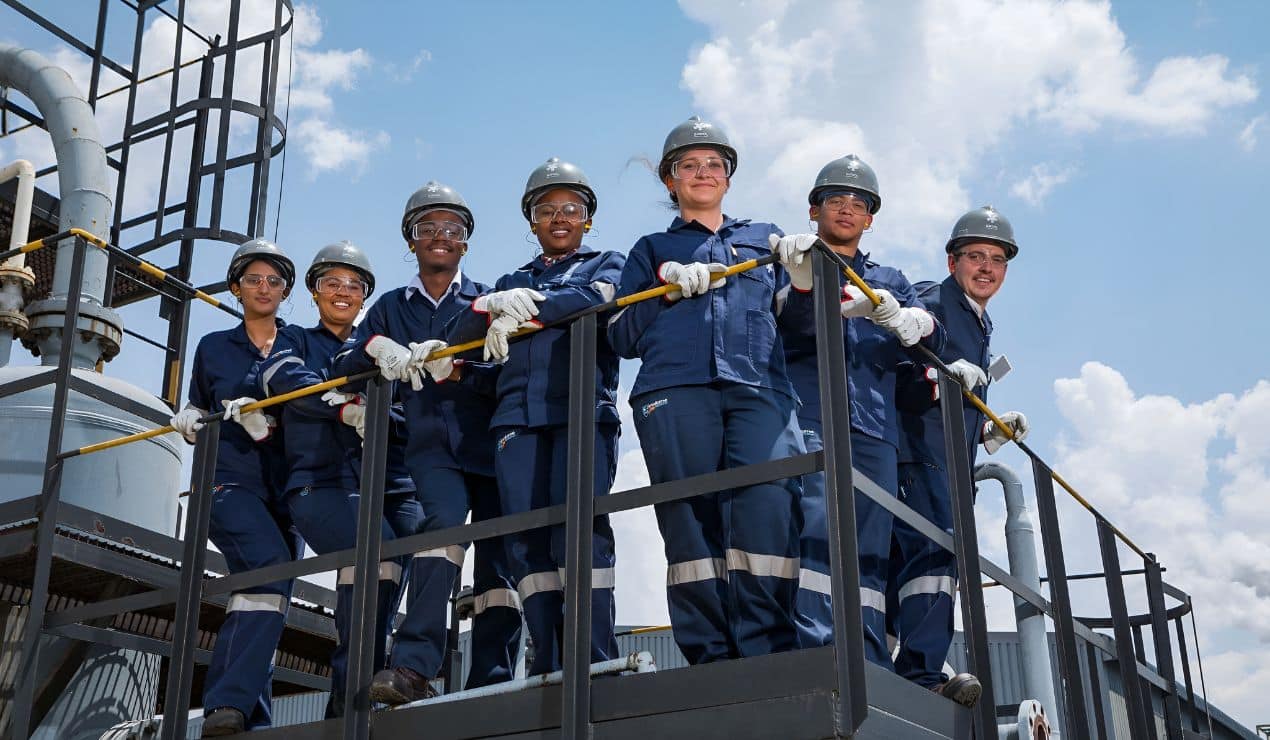
Apply for the ALPLA Packaging Millwright YES Programme 2026 in Lanseria. Unemployed youth can gain 12 months of engineering and maintenance workplace experience.
Millwright YES Programme 2026
ALPLA Packaging Pty Ltd is inviting young South Africans to apply for its Millwright YES Programme 2026 at the Lanseria Plant in Gauteng. This 12-month opportunity forms part of the Youth Employment Services (YES) Programme and gives unemployed youth practical exposure to mechanical and electrical maintenance within a manufacturing environment.
For many young people interested in engineering and technical careers, getting workplace exposure is often the hardest step. This programme helps bridge that gap by allowing learners to work alongside experienced Millwrights while developing hands-on maintenance and troubleshooting skills.
The opportunity is ideal for candidates who want to build practical experience in plant maintenance, machinery operations and technical support within the packaging and manufacturing industry.
Programme Overview
- Programme: YES (Youth Employment Services) Programme
- Position: Millwright
- Company: ALPLA Packaging Pty Ltd
- Location: Lanseria Plant, Johannesburg, Gauteng
- Duration: 12 Months
- Closing Date: 30 June 2026
- Reference Number: AP-8
About the ALPLA Packaging Millwright YES Programme
The programme gives young candidates structured exposure to plant maintenance and technical engineering support in a manufacturing environment.
Participants will work under supervision while learning important maintenance procedures, safety standards and troubleshooting techniques.
The experience can help learners build confidence in technical environments while gaining industry exposure that may support future engineering careers.
Because manufacturing plants rely heavily on machinery and production equipment, maintenance teams play a very important role in keeping operations running smoothly.
What Does a Millwright Do?
A Millwright works with mechanical and electrical systems used in industrial machinery and manufacturing equipment.
Their responsibilities often include:
- Maintaining machinery
- Repairing equipment
- Diagnosing faults
- Preventing breakdowns
- Supporting production operations
- Installing new systems
- Ensuring equipment reliability
Millwrights combine both mechanical and electrical knowledge, making the trade one of the more technical career paths in manufacturing and engineering industries.
Key Duties and Responsibilities
Successful learners will assist with various maintenance and engineering tasks during the programme.
Responsibilities include:
- Assisting with mechanical and electrical maintenance
- Supporting senior Millwrights during breakdown repairs
- Participating in preventative maintenance activities
- Assisting in diagnosing electrical and mechanical faults
- Learning structured troubleshooting methods
- Supporting restoration of equipment after breakdowns
- Completing scheduled maintenance tasks
- Learning maintenance standards and procedures
- Assisting with equipment reliability and uptime
- Completing job cards accurately
- Learning to use CMMS systems such as D365
- Recording maintenance activities and findings
- Assisting with installation of new equipment
- Participating in commissioning activities
- Following health and safety procedures
- Reporting risks and unsafe conditions
- Maintaining clean and safe work areas
These duties are designed to help learners gain practical technical exposure in a real manufacturing plant.
Exposure to Preventative Maintenance
One important part of the programme involves preventative maintenance.
Preventative maintenance helps companies avoid expensive equipment breakdowns by checking machinery regularly before serious problems occur.
Learners may gain experience with:
- Equipment inspections
- Lubrication procedures
- Basic adjustments
- Maintenance scheduling
- Fault prevention techniques
Understanding preventative maintenance is important because it helps reduce downtime and improve productivity in manufacturing environments.
Learning Technical Troubleshooting Skills
Troubleshooting is one of the most valuable technical skills in engineering environments.
During the programme, learners will observe and assist with:
Fresh listings:






- Fault identification
- Basic electrical troubleshooting
- Mechanical problem-solving
- Equipment restoration
- Repair processes
These skills can become useful in future engineering, maintenance or manufacturing careers.
Exposure to Maintenance Systems
Learners will also gain exposure to CMMS systems such as D365.
CMMS stands for Computerised Maintenance Management System.
These systems help companies:
- Track maintenance activities
- Schedule repairs
- Record equipment history
- Manage job cards
- Monitor maintenance performance
Technology plays a major role in modern engineering environments, so this exposure can strengthen workplace readiness.
Health and Safety Responsibilities
Safety remains extremely important in manufacturing and engineering environments.
Participants will be expected to:
- Follow workplace safety procedures
- Maintain clean workspaces
- Report unsafe conditions
- Use equipment responsibly
- Follow environmental and hygiene standards
The programme also includes responsibilities linked to occupational health, safety and environmental compliance.
Why This Programme Matters for Young Job Seekers
Many technical jobs require practical experience before companies consider candidates for permanent employment.
This programme helps young people gain:
- Workplace exposure
- Technical maintenance experience
- Engineering support skills
- Manufacturing industry knowledge
- Professional workplace habits
- Teamwork experience
For unemployed youth interested in technical careers, this type of exposure can become an important first step.
Helpful Skills and Qualities
Candidates interested in this programme may benefit from having:
- Interest in engineering or machinery
- Technical aptitude
- Attention to detail
- Problem-solving ability
- Willingness to learn
- Good communication skills
- Teamwork abilities
- Reliability and punctuality
- Strong work ethic
Technical environments often require discipline and focus, especially when working around machinery and production equipment.
What Applicants Should Include in Their CV
Applicants should prepare a professional and organised CV before applying.
Helpful information to include:
- Educational qualifications
- Technical subjects completed
- Engineering or maintenance exposure
- Computer literacy
- Mechanical interests or projects
- Volunteer work
- Leadership activities
- Communication skills
Even candidates without formal experience can still strengthen their application by showing willingness to learn and technical interest.
Quick CV Tips Before Applying
Before submitting the application:
- Match the CV to the Millwright position
- Place technical skills near the top
- Ensure contact details are correct
- Use a clean and professional layout
- Check spelling and grammar carefully
- Keep information organised and easy to read
Small improvements can help applications appear more professional.
Why Manufacturing Experience Is Valuable
Manufacturing and packaging companies depend heavily on technical maintenance teams.
Experience in these environments can help learners build transferable skills for industries such as:
- Engineering
- Manufacturing
- Production
- Packaging
- Mining
- Logistics
- Industrial maintenance
Practical workplace experience often becomes a strong advantage when applying for future technical positions.
How to Apply
Applications must be submitted through the official ALPLA Packaging online application portal.
Candidates should ensure they complete the application before the closing date.
Closing Date
Applications close on:
- 30 June 2026
Applicants should avoid waiting until the final days because online systems may become busy closer to the deadline.
Final Thoughts
The ALPLA Packaging Millwright YES Programme 2026 offers unemployed youth a valuable opportunity to gain technical workplace exposure in a professional manufacturing environment.
With hands-on experience in machinery maintenance, troubleshooting, preventative maintenance and workplace safety, learners can begin building practical engineering skills that may support future technical careers.
Candidates interested in engineering and industrial maintenance should prepare a strong CV and apply as soon as possible.