Apply for the EWSETA Water & Wastewater Process Control Learnership 2026. Gain technical skills, a recognised NQF qualification, and experience in the water sector.
A Critical Skills Opportunity in South Africa’s Water Sector
Water is one of South Africa’s most important resources. As demand increases and infrastructure ages, the need for skilled professionals continues to grow.
The EWSETA Water & Wastewater Process Control Learnership Programme 2026 is designed to meet this demand.
This programme offers unemployed youth and entry-level candidates a structured pathway into a technical field that supports public health, sustainability, and economic growth.
What Is the EWSETA Water & Wastewater Learnership?
This learnership is a structured training programme that combines:
- Classroom-based theoretical learning
- Practical workplace training
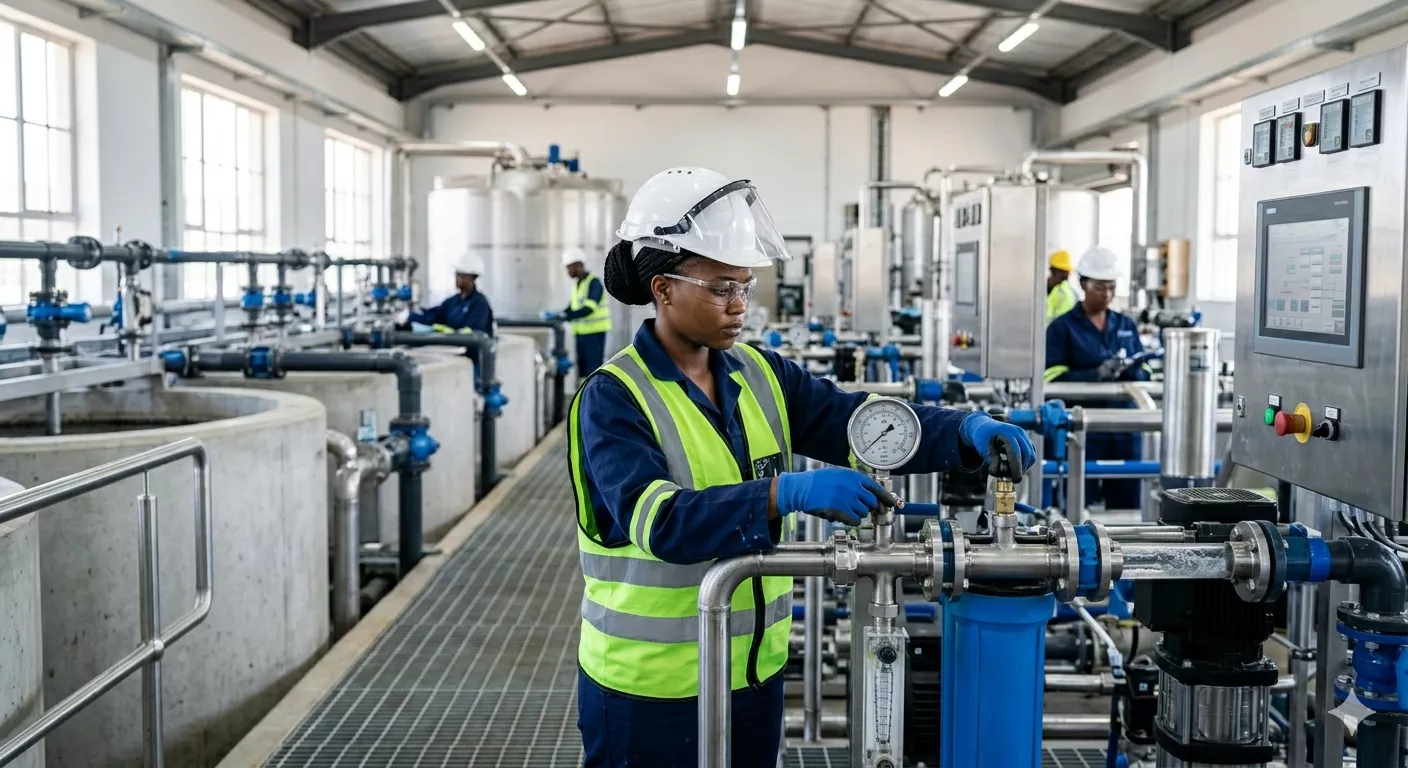
It prepares learners to operate and maintain water and wastewater treatment systems safely and efficiently.
The programme is aligned with national skills priorities identified by EWSETA and the Department of Water and Sanitation.
What You Will Learn
Participants are trained in key operational and technical areas.
Core Training Areas
- Water purification processes
- Wastewater treatment operations
- Monitoring water quality and compliance
- Operating pumps, valves, and filtration systems
- Using basic control systems and instruments
Safety and Environmental Skills
- Occupational health and safety practices
- Environmental protection and compliance
- Understanding water quality standards
Workplace Skills
- Communication and teamwork
- Record-keeping and reporting
- Problem-solving in operational environments
This balanced approach ensures learners are ready for real work environments.
Qualification and Programme Structure
NQF Levels
Depending on the programme, qualifications may be aligned to:
- NQF Level 2 – Entry-level process controller
- NQF Level 3 – Water and wastewater process controller
- NQF Level 4 – Supervisory level
Duration
- Typically 12 to 24 months
- Includes both training and workplace experience
Accreditation
- Registered with EWSETA
- Quality assured under QCTO standards
- Nationally recognised qualification
This means your qualification can be used across different employers in South Africa.
Why the Water Sector Matters in 2026
The water sector plays a critical role in everyday life.
Skilled workers are needed to ensure:
- Safe drinking water supply
- Proper wastewater treatment
- Protection of rivers and dams
- Compliance with environmental laws
This learnership supports these goals while creating employment opportunities.
Who Should Apply?
This programme is ideal for:
- Unemployed South African youth
- Recent matriculants
- Entry-level workers in municipalities
- Individuals looking for technical career paths
It is especially suitable for those who prefer practical, hands-on work.
Minimum Requirements
While requirements may vary, most programmes require:
- South African citizenship
- Grade 10 to Grade 12
- Basic literacy and numeracy skills
- Willingness to work shifts
- Interest in technical and operational work
Mathematics and Physical Science are often recommended but not always required.
Stipend and Support
Learners usually receive a monthly stipend, depending on funding and the host employer.
Fresh listings:





Additional support may include:
- Training materials
- Protective clothing and equipment
- Workplace mentorship
- Access to real facilities such as treatment plants
Although the stipend is not a full salary, it helps cover basic expenses during training.
Career Opportunities After Completion
After completing the programme, you can pursue roles such as:
- Water Process Controller
- Wastewater Treatment Plant Operator
- Water Quality Technician
- Operations Assistant in water services
Potential Employers
- Local municipalities
- Water boards such as Rand Water and Umgeni Water
- Private water treatment companies
- Mining and industrial operations
With experience, you can move into supervisory roles or further studies.
How to Apply
Applications are usually advertised through:
- Accredited training providers
- Municipal websites
- Public sector platforms
- EWSETA-linked career portals
Application Process
- Monitor official learnership adverts
- Prepare your documents:
- CV
- Certified ID
- Academic results
- Submit your application
- Complete assessments if required
- Attend interviews or orientation
Important Application Tip
There is no single national closing date.
Most intakes happen between January and June, with additional opportunities later depending on funding.
Always check the official advert for exact deadlines.
Tips to Improve Your Application
To increase your chances:
- Keep your CV clear and updated
- Highlight interest in technical work
- Show willingness to work in operational environments
- Apply early before positions fill up
A simple and focused application often stands out more.
Final Thoughts
The EWSETA Water & Wastewater Process Control Learnership Programme 2026 offers more than just training.
It provides a pathway into a critical sector that supports communities, protects the environment, and creates long-term career opportunities.
If you are looking for a practical, meaningful, and in-demand career, this learnership is worth serious consideration.