
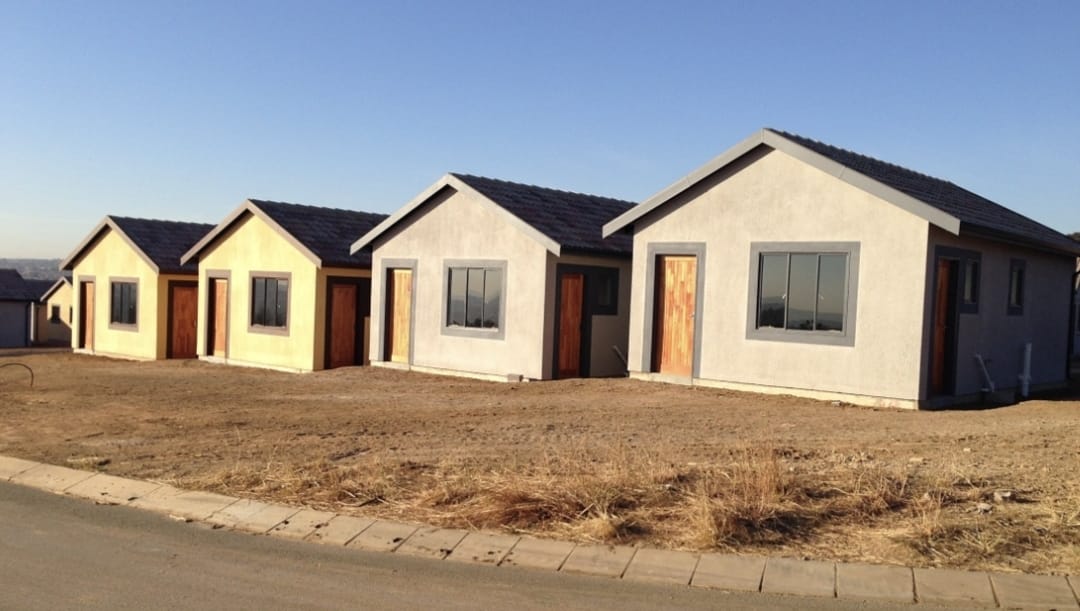
For many South Africans, receiving an RDP house is a life-changing opportunity that brings stability, safety, and long-term security. However, because housing demand is extremely high, the government follows strict verification processes before approving beneficiaries for housing subsidies and allocations.
Many applicants believe that once they apply, approval is automatic. In reality, several government departments work together to verify whether an applicant truly qualifies for housing assistance.
These verification checks are designed to prevent fraud, duplicate applications, unfair allocations, and corruption within the housing system.
Understanding how the process works can help applicants avoid mistakes that may delay or negatively affect their housing applications.
What Is RDP Housing?
RDP housing refers to government-subsidised housing provided to qualifying low-income South Africans through programmes managed by the Department of Human Settlements.
These housing programmes are intended to support:
- Low-income households
- Vulnerable families
- Unemployed individuals
- South African citizens without property ownership
- Residents living in unsafe or informal settlements
Although many people still use the term “RDP house,” modern government housing includes several subsidy programmes beyond the original Reconstruction and Development Programme.
Why Government Verifies Housing Beneficiaries
Government receives far more housing applications than the number of houses available each year.
Because of this, strict verification systems are used to:
- Prevent housing fraud
- Stop duplicate applications
- Ensure fair allocation
- Confirm legal eligibility
- Prevent multiple housing subsidies
- Detect false information
- Ensure vulnerable households receive priority
Verification also helps identify applicants who:
- Already own property
- Earn above the income threshold
- Previously benefited from housing subsidies
- Submitted incorrect information
- Used false identity details
Government Departments Involved in Verification
Several departments and databases may be used during the housing verification process.
Department of Human Settlements
The Department of Human Settlements manages housing subsidy programmes and oversees beneficiary approvals.
Department of Home Affairs
Department of Home Affairs assists with verifying:
- Identity numbers
- Citizenship status
- Marital status
- Death records
- Family information
South African Revenue Service (SARS)
South African Revenue Service may help verify:
- Income records
- Tax information
- Employment details
South African Social Security Agency (SASSA)
South African Social Security Agency records may assist in confirming income levels and household vulnerability.
Deeds Office
Property ownership checks are conducted through the Deeds Office database.
Step 1: Identity Verification
One of the first stages involves verifying the applicant’s identity.
Authorities check:
- Whether the ID number is valid
- Whether the applicant is alive
- Citizenship status
- Age
- Marital status
Applications may be delayed if:
- ID numbers are incorrect
- Names do not match official records
- Duplicate identities are detected
- The system incorrectly reflects a deceased status
This is why applicants are encouraged to ensure their Home Affairs records are accurate before applying.
Fresh listings:





Step 2: Citizenship Verification
Government housing is mainly intended for South African citizens and qualifying permanent residents.
Verification systems confirm:
- Citizenship status
- Permanent residency records
- Identity authenticity
Applicants whose citizenship status cannot be verified may experience delays or rejection.
Step 3: Income Verification
Income verification is one of the most important parts of the process because housing subsidies are intended for low-income households.
Authorities may verify:
- Salary information
- UIF records
- Employer records
- Tax information
- Banking activity in suspicious cases
Applicants who earn above the qualifying threshold may not qualify for certain housing programmes.
Problems sometimes occur when:
- Income is understated
- Employment status changes
- Temporary work appears in government systems
- Records differ between departments
Step 4: Property Ownership Checks
Government checks whether applicants already own property or have previously benefited from housing subsidies.
This is done through property and Deeds Office databases.
Applicants may be disqualified if they:
- Already own a home
- Previously received an RDP house
- Benefited from a housing subsidy before
- Are linked to inherited property in some cases
Many applicants are surprised to discover that inherited or family-linked property records may affect their applications.
Step 5: Marital Status Verification
Marital status can affect housing eligibility because household income and previous housing benefits may be assessed jointly.
Government systems verify whether applicants are:
- Married
- Divorced
- Widowed
- Single
Problems may occur when records are outdated, such as:
- Divorce records not updated
- Deceased spouses still appearing active
- Incorrect marriage records
Step 6: Household and Dependant Verification
Authorities may also verify:
- Number of dependants
- Children in the household
- Disability status
- Elderly dependants
This information may influence:
- Housing priority
- Subsidy category
- Housing type allocation
Applicants may sometimes need to provide:
- Birth certificates
- Affidavits
- Guardianship proof
- Disability documentation
Step 7: Duplicate Application Detection
Government systems attempt to detect duplicate or suspicious applications.
This may happen when:
- One person applies in multiple provinces
- IDs are used repeatedly
- Different applicants use conflicting information
- Multiple family members apply incorrectly
Duplicate applications can trigger investigations and delays.
Why Some Applications Get Flagged
Applications may be flagged for several reasons.
Incorrect Personal Information
Small mistakes can create major delays.
Examples include:
- Wrong surname spelling
- Incorrect ID numbers
- Different names across documents
Property Ownership Conflicts
Applicants may unknowingly appear as property owners.
Income Discrepancies
Government databases may reflect income even when applicants believe they are unemployed.
Previous Housing Benefits
Previous subsidies linked to the applicant or spouse can affect eligibility.
Fraud Concerns
Applications with suspicious information patterns may be investigated further.
How Long Verification Can Take
Housing verification may take:
- Several months
- Multiple years
- Even longer in high-demand areas
This depends on:
- Provincial backlogs
- Housing project availability
- Manual investigations
- Database delays
- Land availability
- Audits and approvals
Many applications remain pending because verification has not been fully completed.
What Happens After Verification?
Once verification is complete, applicants may:
- Be approved
- Be placed on a waiting list
- Be flagged for additional checks
- Be rejected
Approval does not always mean immediate housing allocation because project availability and funding also affect delivery.
Can Applicants Check Their Housing Status?
Yes. In many provinces, applicants can check their housing status online or through municipal housing offices.
Application statuses may include:
- Approved
- Pending
- Waiting list
- Subsidy approved
- Beneficiary linked
- Application not found
Applicants should avoid unofficial websites or individuals claiming to guarantee housing approvals.
Common Mistakes Applicants Should Avoid
Providing False Information
False information can lead to rejection or permanent disqualification.
Using Incorrect Documents
Ensure all documents are updated and correctly certified.
Failing to Update Personal Details
Applicants should update:
- Phone numbers
- Residential addresses
- Marital status
- Employment changes
Ignoring Verification Requests
Government departments may request additional documents during investigations.
How Government Fights Housing Fraud
Housing fraud remains a serious issue in South Africa.
Authorities now use:
- Digital verification systems
- Cross-department database matching
- Identity authentication tools
- Property ownership tracing
- Housing audits
These systems help detect:
- Fake beneficiaries
- Illegal house sales
- Duplicate subsidies
- Corrupt allocations
What To Do If Your Application Has Problems
If your application is delayed or flagged:
- Visit your local Human Settlements office
- Verify your Home Affairs information
- Confirm all application details are correct
- Request a housing status update
- Keep copies of all documents and receipts
- Ask whether additional documents are required
Applicants should never pay individuals who claim they can “speed up” housing approvals illegally.
Final Thoughts
Government housing verification in South Africa is designed to ensure that housing subsidies are allocated fairly and legally to qualifying applicants.
Although the process can be slow and frustrating, understanding how verification works can help applicants avoid mistakes that lead to delays or rejection.
Keeping your information updated, submitting accurate documents, and following official procedures remain some of the best ways to improve your chances of successful verification and future housing allocation.