
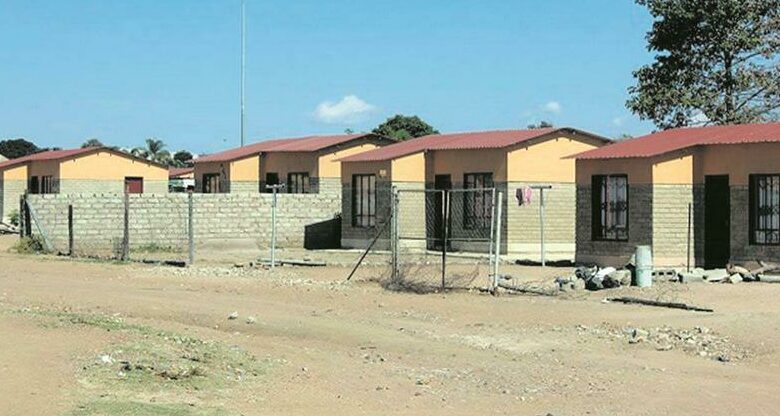
For many South Africans, applying for an RDP house—now officially known as a Breaking New Ground (BNG) Housing Programme—marks the beginning of a long journey toward home ownership. Unfortunately, due to high demand and limited housing supply, many applicants remain on waiting lists for several years.
While waiting for a subsidised home, you do not have to assume that an informal settlement or overcrowded accommodation is your only option. Government offers several housing programmes designed to provide safe, affordable, and dignified accommodation for qualifying low-income households.
This guide explains the different government housing options available, who they are intended for, and how you can determine which programme may suit your circumstances.
Why Do RDP Housing Applicants Wait So Long?
South Africa continues to face a significant demand for affordable housing, with millions of households registered for government housing assistance.
The waiting period often depends on factors such as:
- Housing demand in your municipality
- Availability of serviced land
- Funding allocations
- Housing project progress
- Verification of applicant information
- Provincial and municipal housing priorities
Being registered on a housing database does not always mean that you will receive a house immediately.
Government Housing Programmes Available
Many people believe government housing only consists of RDP houses. In reality, several housing programmes are available depending on your circumstances.
These include:
- Breaking New Ground (BNG) Housing
- Social Housing
- Community Residential Units (CRUs)
- Municipal Rental Housing
- Informal Settlement Upgrading
- Emergency Housing
- First Home Finance (formerly FLISP)
Each programme serves a different purpose and has its own qualifying criteria.
1. Breaking New Ground (BNG) Housing
The Breaking New Ground (BNG) Housing Programme, formerly known as the RDP Housing Programme, provides subsidised homes to qualifying low-income households.
Generally, applicants must meet government eligibility requirements relating to:
- South African citizenship or qualifying permanent residence
- Household income
- Age requirements
- Previous housing assistance
- Property ownership history
Waiting periods can vary significantly depending on where you live.
2. Community Residential Units (CRUs)
The Community Residential Unit (CRU) Programme provides affordable rental accommodation rather than home ownership.
CRUs often consist of:
- Upgraded hostels
- Municipal rental flats
- Family accommodation
- Converted residential units
These units are intended to improve living conditions for qualifying households in urban areas.
CRU developments are commonly found in metropolitan municipalities such as:
- Johannesburg
- Tshwane
- Ekurhuleni
- eThekwini
- Cape Town
- Nelson Mandela Bay
- Mangaung
- Buffalo City
3. Social Housing
Social Housing provides affordable rental apartments located close to:
- Public transport
- Schools
- Hospitals
- Employment opportunities
- Shopping centres
Benefits of social housing often include:
- Secure access
- Better maintenance
- Reliable municipal services
- Cleaner living environments
- Professionally managed rental accommodation
Unlike BNG housing, social housing is intended for rental rather than ownership.
4. Municipal Rental Housing
Many municipalities manage affordable rental accommodation, including:
Fresh listings:




- Flats
- Apartments
- Family housing units
- Municipal rental developments
Availability differs from one municipality to another, so applicants should enquire directly with their local Human Settlements office.
5. Upgraded Government Hostels
Government has upgraded many older hostels into more suitable family accommodation.
Improved facilities may include:
- Private rooms
- Electricity
- Improved sanitation
- Better security
- Shared community facilities
These units are generally offered as affordable rental accommodation.
6. Informal Settlement Upgrading
Where immediate relocation is not possible, government may upgrade existing informal settlements by providing:
- Roads
- Drainage
- Water supply
- Sanitation
- Electricity
- Refuse removal
- Community facilities
The goal is to improve living conditions while longer-term housing solutions are developed.
7. Emergency Housing
Temporary emergency accommodation may be available to households affected by:
- Floods
- Fires
- Natural disasters
- Unsafe living conditions
- Emergency evictions
Emergency housing provides temporary shelter while permanent housing arrangements are made.
Does Receiving a SASSA Grant Mean You Qualify?
Receiving a SASSA grant does not automatically qualify someone for government housing or place them on a housing waiting list.
However, SASSA beneficiaries may still qualify for housing assistance if they meet the relevant programme’s eligibility requirements.
Eligibility is generally assessed based on factors such as:
- Household income
- Citizenship or qualifying residency
- Previous housing assistance received
- Property ownership history
- Household circumstances
Each application is assessed individually.
Can Unemployed People Apply?
Yes.
Being unemployed does not automatically disqualify you from government housing programmes.
Many government housing initiatives are specifically intended to assist:
- Low-income households
- Unemployed individuals
- Vulnerable families
- People living with disabilities
- Older persons
- Households receiving social grants (subject to meeting the programme requirements)
Depending on your circumstances, rental housing programmes may provide accommodation sooner than waiting for a subsidised ownership opportunity.
Provincial Human Settlements Departments Continue Delivering Housing
Across South Africa, Provincial Departments of Human Settlements continue implementing projects such as:
- BNG housing developments
- Social housing projects
- Community Residential Units
- Hostel upgrades
- Informal settlement upgrading
- Affordable rental housing
- Title deed transfers
The availability of these programmes differs by province and municipality.
Before Applying
Before submitting a housing application, ensure that you:
- Understand the requirements of the programme you are applying for.
- Confirm whether you have previously benefited from a housing subsidy.
- Check whether your household income falls within the programme limits.
- Gather all required supporting documents.
- Ensure your personal information is accurate and up to date.
Incomplete or inaccurate applications may delay processing.
Documents Commonly Required
Depending on the programme, applicants may be asked to provide:
- South African ID document
- Proof of income or unemployment
- Marriage certificate (where applicable)
- Birth certificates for dependants
- Proof of residence
- Supporting documents requested by the relevant Human Settlements office
Requirements may vary depending on the housing programme and municipality.
Tips for Applicants
To improve your application process:
- Keep copies of all submitted documents.
- Update your contact details if they change.
- Respond promptly to any requests for additional information.
- Regularly check the status of your housing application with your provincial or municipal Human Settlements office.
- Only rely on official government communication regarding your application.
Conclusion
Waiting for a Breaking New Ground (BNG) or RDP house can be a lengthy process, but it does not mean you have to remain without safe or affordable accommodation. Government housing programmes such as Social Housing, Community Residential Units (CRUs), Municipal Rental Housing, Informal Settlement Upgrading, and Emergency Housing provide alternative solutions for qualifying households while they wait for permanent housing. If you are unemployed, receiving a SASSA grant, or living in low-income circumstances, take the time to explore all available housing options through your provincial or municipal Department of Human Settlements. Understanding the different programmes and their requirements can help you access suitable housing sooner and improve your family’s living conditions.