
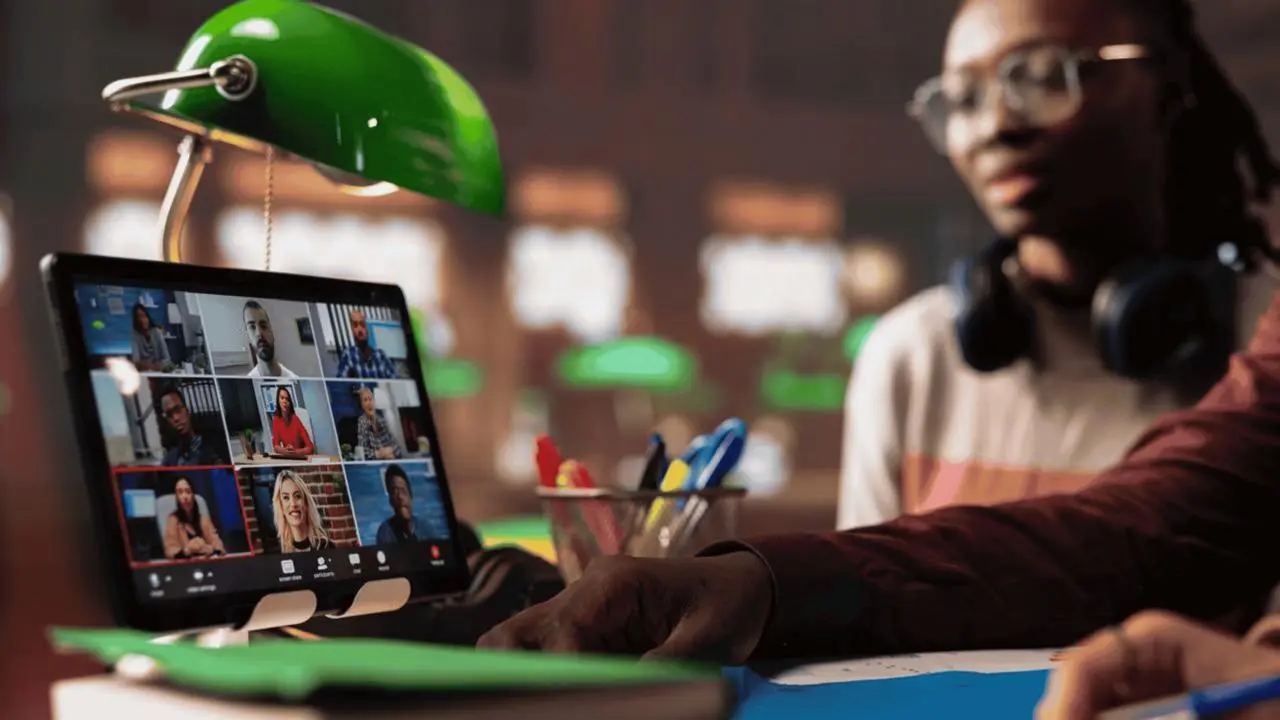
Freelancing is becoming one of the biggest income opportunities for young South Africans in 2026. With remote work growing globally, more companies are hiring freelancers from countries like South Africa for writing, graphic design, admin work, video editing, social media management, and tech services.
You do not need a degree, expensive equipment, or years of experience to start. What you need is a marketable skill, consistency, and a clear plan.
This guide explains exactly how to start freelancing in South Africa step by step.
Why Freelancing Is Growing in South Africa
Freelancing gives people a way to earn money online without waiting for traditional employment.
Many South Africans are turning to freelancing because:
- Remote work is now normal worldwide
- International clients pay in stronger currencies like USD or GBP
- Free online tools make it easier to start
- You can work from home
- You can start with little money
A freelancer can work with local South African businesses or international clients.
Some freelancers use it as extra income. Others turn it into a full-time career.
Step 1: Choose a Freelance Skill
The first step is choosing a skill people are willing to pay for.
Good beginner-friendly freelance skills include:
Writing and Content Creation
This includes:
- Blog writing
- Copywriting
- SEO articles
- Social media captions
- Product descriptions
If your English writing is strong, this is one of the easiest freelance industries to enter.
Graphic Design
Popular services include:
- Logos
- Social media posts
- Flyers
- CV templates
- Presentation designs
Free tools like Canva and Figma make it possible to start without expensive software.
Video Editing
Short-form video editing is in high demand because of:
- TikTok
- YouTube Shorts
- Instagram Reels
Free tools like CapCut and DaVinci Resolve are enough to begin.
Virtual Assistant Work
This includes:
- Email management
- Scheduling
- Data capturing
- Customer support
- Research
Many international businesses hire virtual assistants remotely.
Social Media Management
Businesses often need help with:
- Posting content
- Replying to comments
- Content planning
- Basic marketing
Tech Skills
These usually pay the most but take longer to learn:
- Website design
- WordPress
- Shopify
- SEO
- Coding
Step 2: Get Basic Equipment
You do not need a luxury setup to start freelancing.
Fresh listings:






You do need:
A Laptop
A second-hand laptop is enough for most beginner freelance work.
Aim for:
- At least 8GB RAM
- SSD storage
- Stable performance
Internet Access
Reliable internet is important because freelance work depends on communication and file uploads.
Backup Power
Loadshedding can affect deadlines.
A power bank, inverter, or access to places with backup power can help.
Professional Email Address
Use something simple like:
Avoid unprofessional usernames.
Step 3: Build a Portfolio
A portfolio shows potential clients what you can do.
Even if you have no clients yet, you can still create portfolio samples.
Create Sample Work
You can:
- Write sample blog posts
- Design fake business flyers
- Edit demo videos
- Build mock social media posts
Label them as concept work if they were not made for real clients.
Offer Free Work Initially
Helping a local business for free can help you get:
- Experience
- Testimonials
- Portfolio examples
Your first few projects are mainly about building proof.
Step 4: Create Freelance Profiles
You now need places where clients can find you.
Popular platforms include:
Upwork
One of the largest freelance marketplaces in the world.
Best for:
- Writing
- Admin work
- Design
- Tech services
Fiverr
Good for beginners because clients browse your services directly.
PeoplePerHour
Popular for writers, designers, and developers.
Excellent for finding direct clients and building professional visibility.
Facebook and WhatsApp Groups
Many South African freelance opportunities are shared in local groups.
Step 5: Learn How to Price Your Services
Most beginners charge too little.
Start by estimating:
- How long the work takes
- The value you provide
- Revision time
Beginner Freelance Pricing Examples
| Service | Beginner Rate |
|---|---|
| Blog article | R250–R600 |
| Logo design | R500–R1,500 |
| Social media graphics | R400–R900 |
| Video editing | R300–R700 |
| Virtual assistant work | R3,500–R8,000/month |
As your experience grows, your prices should increase too.
Step 6: Set Up Payment Methods
South African freelancers need ways to receive payments locally and internationally.
Popular options include:
Payoneer
Widely used for international freelance payments.
PayPal
Still popular globally.
Wise
Good exchange rates for international transfers.
Local Bank Accounts
Most South African freelancers use:
- Capitec
- FNB
- ABSA
- Nedbank
- TymeBank
It helps to keep freelance income separate from personal spending.
Step 7: Understand SARS and Freelance Tax
Freelancers are considered self-employed in South Africa.
That means:
- You may need to register as a provisional taxpayer
- You must declare freelance income
- You should keep records of payments and expenses
Important records include:
- Invoices
- Client payments
- Internet costs
- Laptop purchases
- Software subscriptions
A good habit is saving 20–25% of all freelance income for tax.
Step 8: Find Your First Client
This is where most beginners struggle.
The key is consistency.
Apply Daily
Set targets like:
- 5 proposals per day
- 10 job applications weekly
Personalise Your Proposals
Do not copy and paste generic messages.
Mention:
- The client’s project
- How you can help
- Relevant examples
Deliver Good Work
The fastest way to grow is through referrals and repeat clients.
A happy client often leads to more work.
Common Freelancing Mistakes to Avoid
Charging Too Little
Extremely low pricing often attracts difficult clients.
Waiting Until You Feel “Ready”
Most successful freelancers started before they felt confident.
Ignoring Communication
Fast replies and professionalism matter a lot.
Falling for Scams
Never pay money to get freelance work.
Be cautious of clients asking for “verification fees.”
Your First 30 Days as a Freelancer
Week 1
- Choose your skill
- Set up your laptop and email
- Create a workspace
Week 2
- Build portfolio samples
- Create a CV
- Start practising your skill daily
Week 3
- Create profiles on freelance platforms
- Set up payment accounts
Week 4
- Start sending proposals daily
- Post about your work online
- Improve your portfolio
Consistency matters more than perfection.
Final Thoughts
Freelancing in South Africa in 2026 is a real opportunity for people willing to learn and stay consistent.
You do not need expensive equipment or years of experience to begin.
Start with one skill. Build proof of your work. Apply consistently. Improve as you go.
Many successful freelancers started with no clients, no audience, and no experience.
The important thing is starting.