
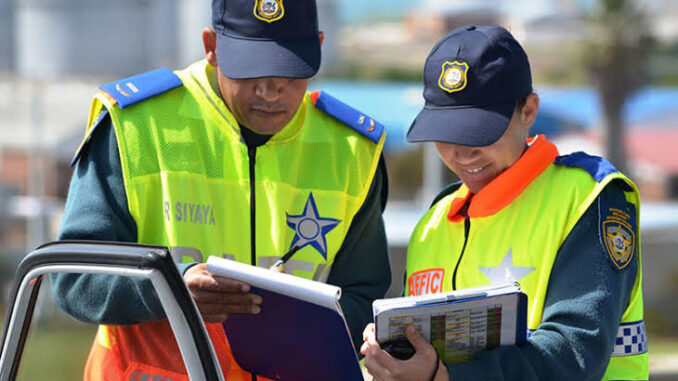
Becoming a Traffic Officer is a goal for many South Africans who want a stable career in public service and road safety. However, before candidates can begin training, they often need to pass several recruitment stages, including psychometric testing.
For many applicants, psychometric assessments are one of the most intimidating parts of the selection process. The reason is simple: most people are unsure about what these tests involve or what recruiters are looking for.
The good news is that psychometric tests are not designed to trick candidates. Instead, they help employers identify individuals who possess the right qualities, behaviours, and thinking abilities required for a career in traffic law enforcement.
Understanding what these assessments measure can help you approach them with confidence and significantly improve your chances of success.
Why Psychometric Tests Are Used for Traffic Officer Recruitment
Traffic Officers carry a great deal of responsibility. They are expected to enforce traffic laws, manage road safety, handle difficult situations, and interact professionally with members of the public.
Because of these responsibilities, municipalities and traffic training colleges need to ensure that candidates are mentally, emotionally, and professionally suited to the role.
Psychometric assessments help recruiters evaluate whether applicants can:
- Think clearly under pressure
- Make sound decisions
- Follow procedures accurately
- Maintain professionalism
- Demonstrate honesty and integrity
- Work effectively in a structured environment
- Handle stressful situations calmly
The results are often used as part of the shortlisting process. While there may not always be a formal pass-or-fail mark, strong performance can improve your chances of progressing to the next stage of recruitment.
What Are Psychometric Tests?
Psychometric tests are structured assessments that measure various aspects of a person’s abilities and personality.
Unlike school examinations that focus on academic knowledge, psychometric assessments evaluate how you think, behave, solve problems, and respond to workplace situations.
For Traffic Officer Trainee programmes, these tests help determine whether an applicant has the characteristics needed to work in law enforcement and public safety.
Recruiters want to know whether you can handle authority responsibly and perform effectively in situations that require discipline, focus, and sound judgement.
Types of Psychometric Tests You May Encounter
Different provinces, municipalities, and training institutions may use different testing systems. However, most Traffic Officer recruitment processes include several common assessment categories.
Cognitive Ability Assessments
These tests evaluate your ability to process information, reason logically, and solve problems.
Areas that may be assessed include:
- Verbal reasoning
- Numerical reasoning
- Logical reasoning
- Pattern recognition
- Problem-solving skills
The purpose is to determine how quickly and accurately you can understand information and make decisions.
Traffic Officers frequently need to assess situations rapidly while ensuring that their decisions comply with legal and operational requirements.
Attention to Detail Tests
Traffic Officers must pay close attention to information and identify potential issues quickly.
These assessments measure:
- Accuracy
- Concentration
- Observation skills
- Consistency
- Ability to spot errors
You may be asked to compare sets of numbers, identify differences between documents, or complete tasks that require sustained focus.
Fresh listings:






Recruiters want candidates who can remain attentive even when performing repetitive duties.
Personality Assessments
Personality questionnaires are commonly used during the selection process.
These assessments help determine whether your personal characteristics align with the demands of the role.
They often evaluate:
- Emotional stability
- Self-discipline
- Confidence
- Reliability
- Responsibility
- Teamwork
- Professionalism
The goal is not to identify a perfect person but rather someone whose behaviour is compatible with the expectations of a Traffic Officer.
Integrity and Honesty Assessments
Integrity is one of the most important qualities in law enforcement.
Traffic Officers may encounter situations involving:
- Corruption attempts
- Bribery
- Ethical dilemmas
- Abuse of authority risks
Because of this, many recruitment processes include integrity testing.
These assessments examine:
- Honesty
- Accountability
- Ethical decision-making
- Consistency
- Personal responsibility
Candidates who provide contradictory answers or attempt to manipulate responses may raise concerns during the evaluation process.
Situational Judgement Tests
Situational Judgement Tests, often called SJTs, are designed to measure how you would respond to realistic workplace scenarios.
Examples may include situations involving:
- Aggressive motorists
- Road accidents
- Uncooperative road users
- Public complaints
- Professional misconduct by colleagues
- Emergency incidents
You may be asked to choose the most appropriate response from several options.
These tests help recruiters assess:
- Decision-making ability
- Professional judgement
- Problem-solving skills
- Communication style
- Commitment to procedures
Candidates who prioritise safety, professionalism, and lawful conduct generally perform well in these assessments.
Stress Tolerance Assessments
Traffic Officers often work in demanding environments.
They may deal with:
- Long shifts
- Road fatalities
- Public pressure
- Dangerous incidents
- Conflict situations
Stress tolerance assessments help determine how candidates typically react under pressure.
Recruiters want individuals who can remain calm, focused, and effective during difficult circumstances.
The Core Qualities Recruiters Look For
Although psychometric assessments vary, most Traffic Officer recruitment programmes focus on a similar set of characteristics.
Discipline
Traffic Officers operate within strict rules and procedures.
Recruiters want individuals who:
- Follow instructions
- Respect authority
- Adhere to regulations
- Take responsibilities seriously
Good Judgement
Traffic Officers frequently make decisions that affect public safety.
Candidates must demonstrate the ability to:
- Assess situations quickly
- Consider consequences
- Make balanced decisions
- Follow established procedures
Emotional Control
Law enforcement professionals often face confrontation and stress.
Recruiters look for applicants who can:
- Stay calm
- Manage frustration
- Avoid emotional reactions
- Remain professional under pressure
Alertness and Awareness
Observational skills are essential in traffic law enforcement.
Successful candidates typically demonstrate:
- Strong concentration
- Attention to detail
- Situational awareness
- Vigilance
Integrity
Trustworthiness remains one of the most valued qualities in the profession.
Candidates should demonstrate:
- Honesty
- Accountability
- Ethical behaviour
- Respect for rules and laws
Teamwork
Traffic Officers rarely work in isolation.
Recruiters want individuals who can:
- Collaborate with colleagues
- Follow leadership
- Communicate effectively
- Support operational objectives
How to Prepare for Traffic Officer Psychometric Tests
Preparation can significantly improve your confidence and performance.
Practice Aptitude Assessments
Spend time practising:
- Numerical reasoning
- Verbal reasoning
- Logical reasoning
- Pattern recognition exercises
Regular practice can improve both speed and accuracy.
Improve Your Time Management
Many assessments are timed.
Learn to:
- Work efficiently
- Avoid spending too much time on difficult questions
- Maintain a steady pace throughout the assessment
Get Enough Rest
Mental performance is heavily influenced by sleep and concentration.
Before the assessment:
- Get a full night’s sleep
- Stay hydrated
- Eat a balanced meal
- Avoid unnecessary stress
Be Honest During Personality Tests
Trying to create a perfect image can sometimes work against you.
Personality and integrity assessments are often designed to identify inconsistent responses.
Answer honestly while remaining professional and thoughtful.
Understand the Role
Before attending the assessment, take time to understand what Traffic Officers do.
Think about the values associated with the profession:
- Public safety
- Responsibility
- Fairness
- Professional conduct
- Respect for the law
Understanding these principles can help you approach situational questions more effectively.
Common Mistakes That Hurt Candidates
Many applicants fail psychometric testing because of avoidable errors.
Rushing Through Questions
Working quickly is important, but sacrificing accuracy can lead to mistakes.
Overanalysing Simple Questions
Some candidates spend too much time looking for hidden meanings.
In many cases, the most straightforward answer is the correct one.
Giving Inconsistent Responses
Contradictory answers on personality assessments can raise concerns about reliability and honesty.
Trying to Game the System
Attempting to guess what recruiters want to hear often results in inconsistent patterns that assessment systems can detect.
Becoming Frustrated During the Assessment
Stress can negatively affect concentration and decision-making.
Maintaining composure throughout the process is important.
Final Thoughts
Psychometric tests play a significant role in Traffic Officer Trainee recruitment because they help identify candidates who possess the qualities needed to serve the public responsibly.
These assessments are designed to evaluate far more than academic ability. Recruiters want individuals who are disciplined, ethical, emotionally stable, alert, and capable of making sound decisions under pressure.
By understanding the different types of assessments and preparing properly, you can approach the testing process with greater confidence and improve your chances of progressing through the recruitment stages.
For aspiring Traffic Officers, strong preparation, honesty, and a professional mindset can make a meaningful difference when it matters most.