
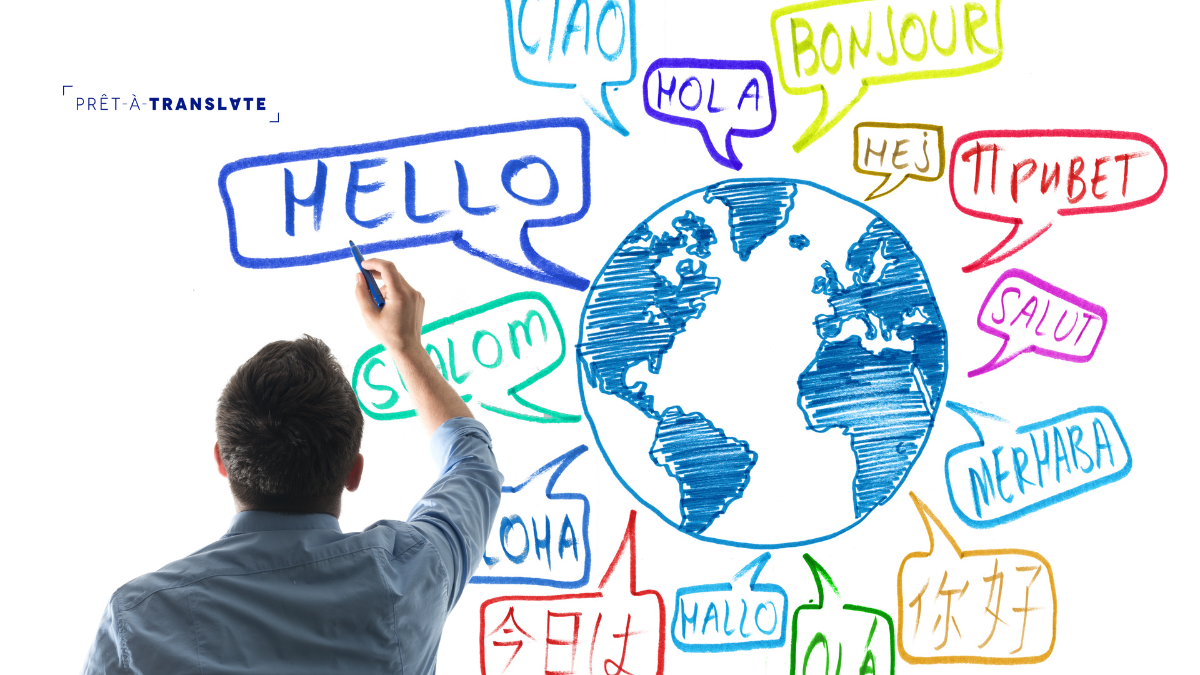
Language is one of the most powerful tools in any society. In a multilingual country, communication between people, institutions, and industries depends heavily on skilled language professionals. Translation, interpreting, and language practice play a major role in ensuring that information is accurately shared across different languages and cultures.
This field is ideal for individuals who enjoy working with words, understanding different cultures, and helping people communicate effectively in professional environments.
What Is Translation, Interpreting and Language Practice?
This field focuses on professional communication across languages. It goes beyond basic language skills and prepares students for real workplace applications.
Typical areas of study include:
Written translation between languages
Consecutive interpreting in meetings or events
Simultaneous interpreting in real time settings
Editing and proofreading professional documents
Terminology development and language standardisation
Applied linguistics and communication studies
Language technology and digital communication tools
Graduates are trained to work in structured communication environments where accuracy and clarity are essential.
Why This Field Is Important
Multilingual communication is essential in many sectors. Without skilled language practitioners, misunderstandings can occur in legal systems, government communication, education, and international relations.
This career field supports:
Clear communication in public services
Access to information across language groups
Legal and court accuracy
International business communication
Media and publishing clarity
It is a profession that directly contributes to social inclusion and effective governance.
Where You Can Study Translation, Interpreting and Language Practice
South African universities offer a variety of programmes in this field. These programmes are usually found within Bachelor of Arts degrees or language departments.
Nelson Mandela University
This university offers language practice programmes with a strong focus on:
Professional writing
Editing and translation skills
Language communication in real contexts
Advanced academic development
Students can continue into postgraduate studies depending on their academic progress.
North West University
North West University offers structured programmes that focus on:
Translation studies
Applied linguistics
Multilingual communication
Language editing and production
The institution also provides strong postgraduate research opportunities in language fields.
University of Limpopo
The University of Limpopo focuses on language practice and interpreting with an emphasis on:
African languages
Community communication
Translation in public service environments
Linguistics and applied language use
This makes it suitable for students interested in public sector language careers.
Fresh listings:





Sol Plaatje University
This university provides language practice programmes that highlight:
Professional communication skills
Cultural and linguistic diversity
Language development and heritage
Academic and practical training
It also continues to grow its postgraduate offerings.
University of South Africa
This institution offers flexible distance learning options in language-related studies. It is suitable for:
Working students
Part time learners
Students who need remote access to education
Programmes include combinations of language practice, translation, and linguistics.
Admission Requirements
Although requirements vary by institution, most universities generally expect:
A National Senior Certificate with a bachelor’s pass
Strong performance in English and another language
An adequate admission points score depending on the institution
Basic communication and writing ability
Some institutions may also require language assessments or selection processes.
Career Opportunities in This Field
Graduates in translation, interpreting, and language practice can work in many professional environments.
Common career paths include:
Translator
Interpreter
Language practitioner
Editor or proofreader
Court interpreter
Terminology specialist
Communication officer
Language consultant
These roles exist in both public and private sectors.
Where Language Practitioners Work
Language professionals are employed across various industries, including:
Government departments
Courts and legal systems
Media and publishing companies
Educational institutions
Non government organisations
International organisations
Freelance and remote work platforms
Many professionals also work independently as translators or consultants.
Is This a Good Career Choice?
Yes. This field remains highly relevant due to the linguistic diversity of many countries. The demand for skilled language professionals continues to grow, especially in:
Legal communication
Government services
Education and training
Media and digital content
International business
It also offers flexibility, as many roles allow remote or freelance work.
Benefits of Studying This Field
Students who choose this career path gain several advantages:
Strong communication skills
Cultural understanding and awareness
Professional writing and editing ability
Career flexibility across industries
Opportunities for freelance work
Exposure to international communication
It is a career path that combines creativity, analysis, and practical communication skills.
Conclusion
Translation, interpreting, and language practice form an essential part of modern communication systems. This field ensures that people from different language backgrounds can understand each other clearly in professional, legal, and social environments.
With strong study options available at several universities, students interested in language, communication, and cultural interaction can build a meaningful and flexible career in this growing field.
Frequently Asked Questions
What does a language practitioner do?
A language practitioner works with translation, editing, interpreting, and communication across different languages in professional settings.
Do I need strong English to study this field?
Yes. Strong English skills are important because most programmes involve writing, editing, and analysis.
Can I work without a degree?
Most professional roles require at least a degree or diploma in language practice or a related field.
Is interpreting the same as translation?
No. Translation deals with written text while interpreting involves spoken communication.
Can I work remotely in this field?
Yes. Many language professionals work freelance or remotely, especially in translation and editing roles.